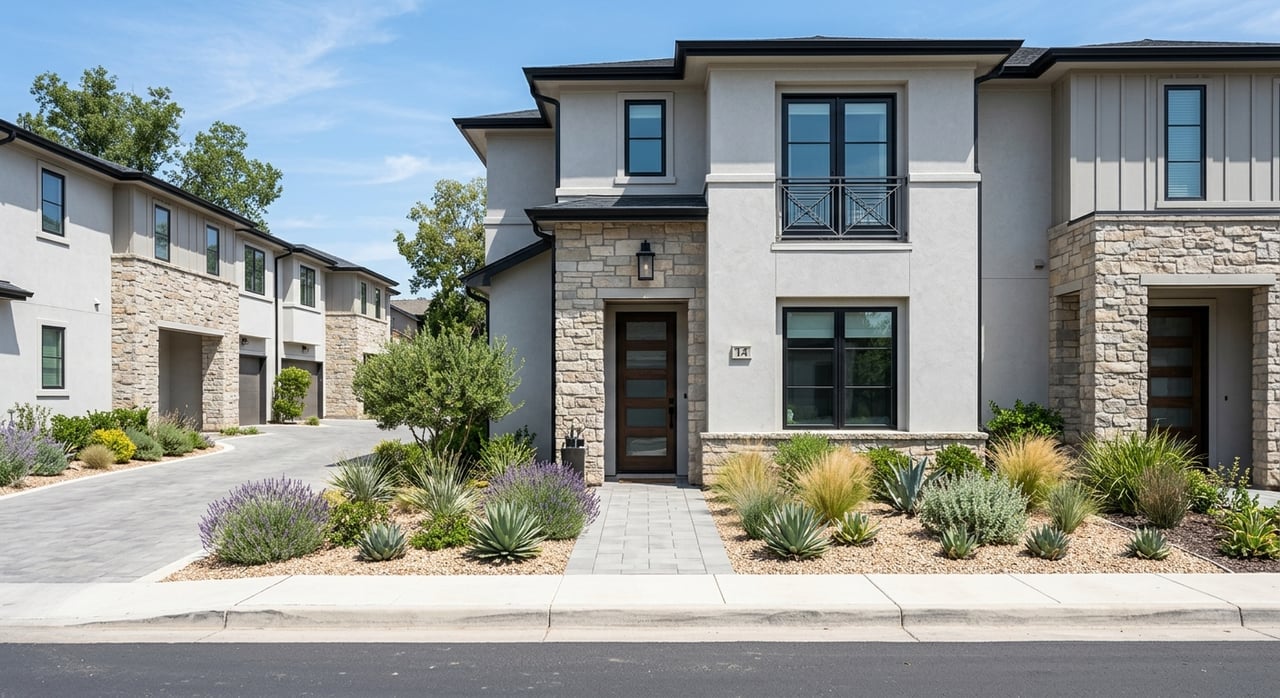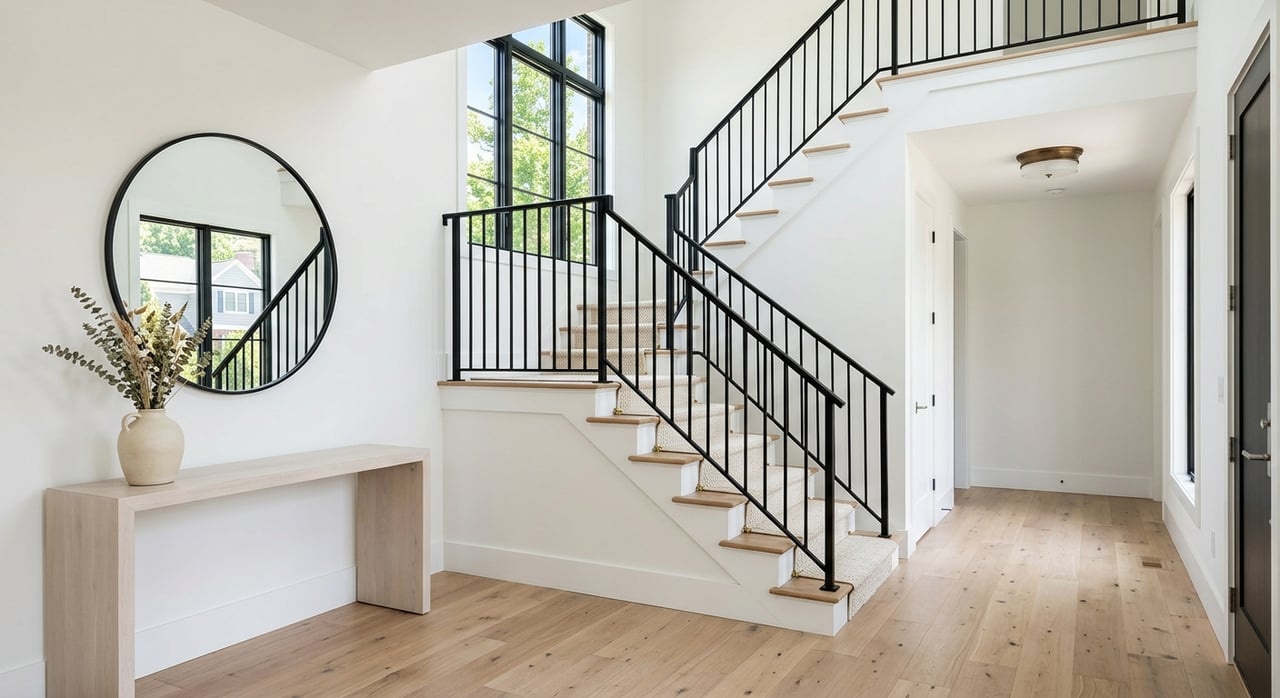
If you are selling in Lone Tree so you can move up, the stakes feel higher than a typical sale. You are not just trying to get your current home sold. You are trying to protect your timing, your equity, and your next purchase in a market where buyers move quickly but still punish overpricing. This playbook will help you prepare, price, market, and coordinate your move with more confidence. Let’s dive in.
Know what Lone Tree buyers expect
Lone Tree is a small but high-value south metro market with strong appeal for professionals and relocation-minded buyers. Census QuickFacts estimates the city had 15,278 residents in July 2025, with a median household income of $123,741 and a median owner-occupied home value of $874,100. The city also highlights access to I-25, C-470, and five RTD light-rail stations, which helps explain why convenience matters here.
That buyer pool tends to compare options carefully. Lone Tree has established resale homes, but it also has a pipeline of newer housing connected to larger long-term development plans in places like City Center and RidgeGate. If you are selling a move-up home, your competition is not only the house down the street. It may also include newer product that feels turnkey to a buyer on a deadline.
Read the current market clearly
Lone Tree is still a competitive market, but that does not mean every home can stretch for top dollar. Redfin reported an April 2026 median sale price of $839,566, average days on market of 23, and a sale-to-list ratio of 98.6 percent. At the same time, prices were down 10.7 percent year over year, and 32.4 percent of homes had price drops.
That combination matters if you are moving up. Demand is active, but buyers are price aware. Redfin also notes that 19.2 percent of homes sold above list price and that hot homes can go pending in around 5 days, which tells you a strong launch still matters.
Price for this market, not last year
One of the biggest mistakes move-up sellers make is pricing off memory. If you are thinking about last year’s peak or a neighbor’s standout sale, you can miss what current buyers are actually rewarding. In Lone Tree, overpricing creates friction fast, even in a market that moves.
A smart strategy is to price for today’s conditions and your home’s true position against active competition. Buyers in this market are often balancing commute needs, timelines, and feature comparisons. If your home is well prepared and well priced from day one, you give yourself a better chance of attracting serious traffic before the listing goes stale.
Start with disclosures and documents
Before you think about photos or showings, get the paperwork in order. Colorado’s Seller’s Property Disclosure must be completed to your current actual knowledge. It is not a warranty, and it is limited to what you actually know rather than what you should have known.
That form covers more than basic condition details. It asks about common-interest-community status, special assessments, metro districts, radon, litigation, deed restrictions, and other adverse material facts. In a city where HOAs play a meaningful role, gathering association contact information, resale documents, and any notices early can save time later.
Prep older homes carefully
If your home was built before 1978, lead-based paint rules apply. Colorado requires sellers to provide known information and any available records or reports. Buyers are also given a 10-day risk-assessment or inspection period unless the parties agree otherwise in writing.
For that reason, older homes benefit from extra preparation. If you have renovation records, permit history, or prior testing reports, organize them before you list. A clean file can reduce uncertainty and help a buyer feel more comfortable moving forward.
Handle radon and safety items early
Colorado buyers are used to seeing radon come up, and Lone Tree is no exception. The standard Colorado residential contract includes radon disclosure language, and the Colorado Department of Public Health and Environment says radon is common throughout the state, with elevated levels found in about one out of every two homes.
If you want fewer surprises during inspection, a pre-list radon test or clear mitigation documentation can help. The same goes for carbon monoxide alarms. Colorado’s standard contract requires an operational carbon monoxide alarm within fifteen feet of bedroom entrances when the property has a fuel-fired appliance, fireplace, or attached garage and includes sleeping rooms.
Consider a pre-list inspection
A polished market rewards homes that feel predictable. The Seller’s Property Disclosure is not a substitute for inspection, and buyers are encouraged to obtain their own professional inspections. That is why many move-up sellers benefit from a pre-list inspection.
You do not need to chase every cosmetic issue, but obvious repairs should be handled before launch when possible. Keep receipts, warranties, and contractor information in one place. When a buyer sees that you have addressed the easy objections up front, your home feels easier to buy.
Market your home like a launch
In Lone Tree, listing your home should feel intentional from the start. With homes averaging 23 days on market and some hot homes moving much faster, your first week is often your strongest window for attention. That is why professional photography, thoughtful staging, and a clean showing plan matter.
Your marketing should also speak to how buyers actually shop in this area. Generic luxury wording is less useful than specific, helpful detail. Buyers are more likely to respond to clear information about finishes, layout, storage, outdoor spaces, mechanical ages, and day-to-day convenience.
Focus on useful details
The local profile supports a practical approach. Lone Tree’s demographics suggest many buyers are educated, comparison-driven, and sensitive to commute and lifestyle logistics. The city also promotes access to RTD light rail, I-25, C-470, Centennial Airport, Denver International Airport, and Park Meadows.
That means your listing presentation should explain real value clearly. Instead of broad claims, highlight what a buyer can use and verify, such as recent updates, home systems, workspace flexibility, outdoor living features, garage setup, and access to major travel routes and amenities.
Balance access and privacy
Some sellers prefer more control over showings, especially in higher-end or highly upgraded homes. Colorado guidance allows a seller to decline a lockbox and require broker-present showings. That can be a fit if privacy or security is a top concern.
Still, there is a tradeoff. The easier your home is to tour, the easier it is for motivated buyers to act quickly. If you choose a more controlled showing process, make sure it still supports fast and flexible access when possible.
Build your move-up timeline first
Your sale strategy should support your next move, not fight against it. Lone Tree’s buyer demand is shaped in part by major employers and a mix of local and out-of-area search activity. That means some buyers are shopping with a clear timeline, and sellers benefit from being just as prepared.
Before the first photo is taken, decide how you want your next purchase to work. Colorado’s standard residential contract includes a conditional upon sale of property provision, but that is only one option. Depending on your situation, your move-up plan might involve a contingency, bridge financing, a rent-back, or temporary housing.
Create a clean pre-list checklist
If you want a smoother sale, finish the hard work before the home hits the market. That is especially important in Lone Tree, where HOA documents, disclosures, repairs, and presentation all affect how quickly buyers can get comfortable.
A strong pre-list checklist often includes:
- Completing the Seller’s Property Disclosure
- Gathering HOA contacts, resale documents, and notices
- Organizing repair receipts, warranties, and permits
- Addressing carbon monoxide alarm requirements if applicable
- Considering a pre-list radon test or mitigation file
- Scheduling any pre-list inspection and handling major issues
- Finalizing staging, photography, and showing readiness
- Clarifying your next-home plan and move timeline
When these items are done early, your listing can hit the market ready to perform.
What gives sellers an edge in Lone Tree
The best move-up sales in Lone Tree usually share the same pattern. The home is priced with current conditions in mind, not old assumptions. The seller removes uncertainty before launch, presents the home like a premium product, and knows what happens after closing.
That approach matters because Lone Tree sits in a market where buyers can move fast but still have choices. If you want to protect your leverage as both a seller and a buyer, preparation is your best advantage.
If you are planning a move-up sale in Lone Tree, Vara; The Real Estate Collective can help you create a clear strategy for pricing, preparation, timing, and your next step.
FAQs
What is the Lone Tree housing market like for sellers right now?
- Lone Tree is competitive, with Redfin reporting a median sale price of $839,566 in April 2026, average days on market of 23, a 98.6 percent sale-to-list ratio, and some homes going pending in about 5 days, but overpricing remains risky because price drops are still common.
What disclosures do Lone Tree home sellers need to prepare?
- Colorado sellers should complete the Seller’s Property Disclosure based on current actual knowledge, and many Lone Tree sellers should also gather HOA documents, special assessment information, metro district details, and any records related to radon or other material facts.
Should a Lone Tree seller test for radon before listing?
- A pre-list radon test or mitigation documentation can be helpful because Colorado contract language includes radon disclosures and CDPHE says elevated radon levels are found in about one out of every two homes in the state.
Do older Lone Tree homes need lead-based paint disclosures?
- If the home was built before 1978, the seller must provide any known lead-based paint information and available records or reports, and the buyer generally gets a 10-day risk-assessment or inspection period unless changed in writing.
How should a move-up seller time a Lone Tree home sale?
- The best approach is usually to finish repairs, disclosures, HOA documents, staging, and your move plan before listing so the home can launch fully ready while also supporting your next purchase strategy.