If you want to invest in Denver real estate without taking on the price tag of a detached home, condos and townhomes deserve a close look. They can offer a lower entry point, but they do not work the same way once you factor in HOA rules, rental limits, and local licensing. If you are weighing both options, this guide will help you compare the real costs, risks, and practical tradeoffs in the Denver area. Let’s dive in.
Denver Entry Prices Matter
For many investors, the first question is simple: what can you actually buy? In the March 2026 Colorado Association of Realtors and South Metro Denver report, the combined townhouse-condo median sales price across Denver, Arapahoe, Douglas, and Jefferson counties was $395,000. In the same report, the median for single-family homes was $685,000.
That gap helps explain why attached homes stay on the radar for smaller investors and first-time rental property buyers. If you are trying to enter the market with less cash or lower monthly exposure, condos and townhomes can be a more realistic starting point. That does not make them automatically better, but it does make them more accessible.
Within Denver, pricing also varies by how you define the market. The same report showed Denver city townhouse-condo pricing at about $419,950 on a rolling 12-month basis, while Denver County was about $452,000. That difference is a good reminder that the Denver area is not one uniform market.
Denver Submarkets Vary Widely
If you are comparing options across the metro, expect a wide price band. Rolling 12-month townhouse-condo medians in the same report were about $365,000 in Jefferson County, $387,000 in Highlands Ranch, $405,000 in Lakewood, $489,000 in Greenwood Village, and $567,000 in Littleton.
That spread matters because two attached homes can look similar on paper but perform very differently as investments. Location, age of the project, and overall product quality can all shape your monthly costs and rental appeal. It is smart to compare each property on its own economics, not just by property type.
The report also notes that one-month activity can look extreme when sample sizes are small. So if you see a sharp price jump or drop in a narrow area, it is worth taking a step back and looking at a longer trend. Rolling 12-month numbers usually give you a steadier picture.
Condos vs Townhomes Basics
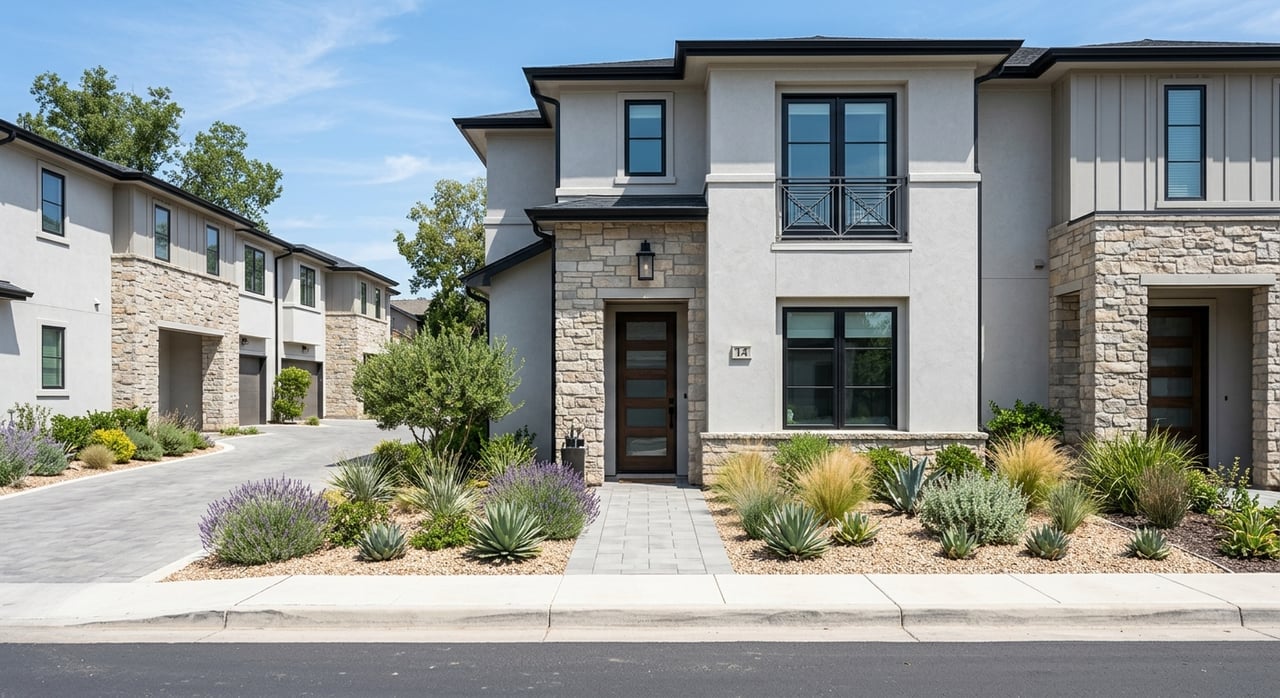
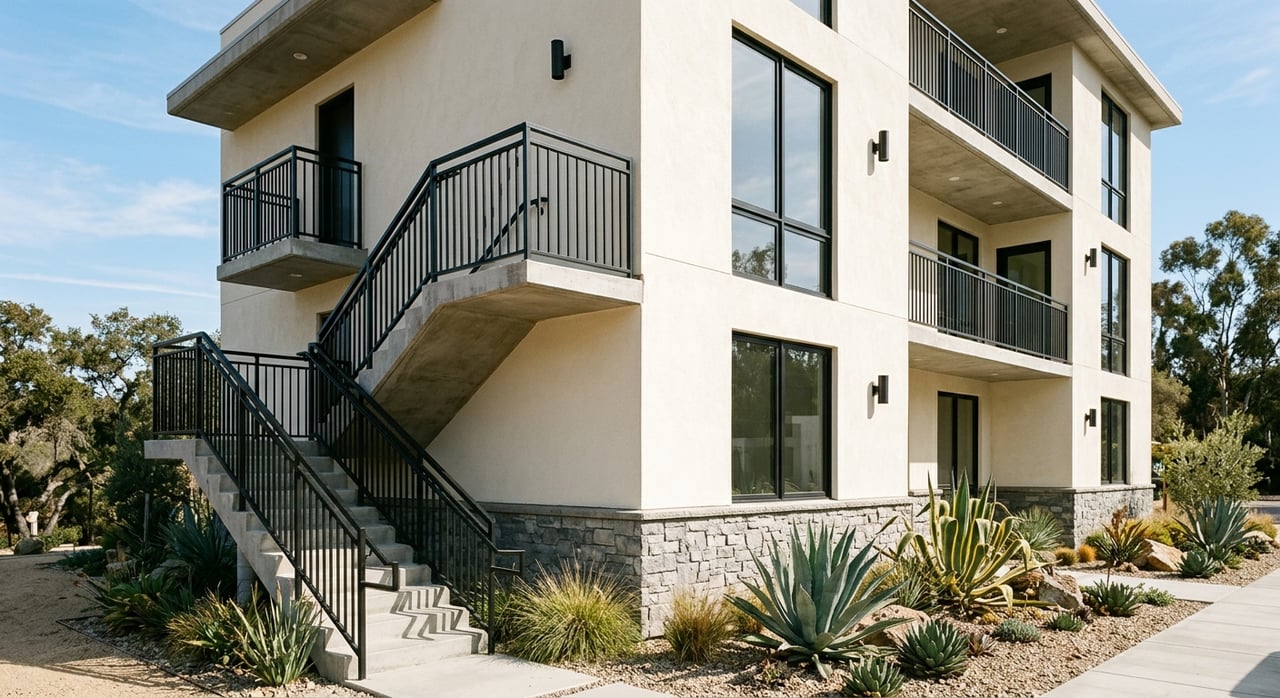
At a high level, condos and townhomes often solve different investor problems. A condo usually fits buyers who want a lower entry price, less hands-on exterior maintenance, and often a more urban or walkable setting. A townhome can feel more like a house while still sitting below many detached-home price points.
That said, the label alone does not tell you enough. In Colorado, both condos and many townhomes can come with HOA dues, exterior rules, and leasing restrictions. In practice, the better question is often not condo or townhome, but which property gives you the best all-in monthly cost and strongest leaseability.
Why HOA Risk Deserves Attention
For Denver-area investors, HOA review is one of the biggest parts of due diligence. Colorado HOA guidance says association boards generally control common-area maintenance, can contract with vendors, and can control maintenance of unit exteriors. That matters because what looks like a low-maintenance investment can also mean you are relying heavily on the association to budget and plan well.
Associations may also adopt rules that affect common areas and, to some extent, unit use. That can include rental and leasing restrictions if the declaration allows it. For an investor, those rules are not a side issue. They directly shape how and when you can rent the property.
Colorado also requires associations to maintain property insurance on common elements and commercial general liability insurance. The state also requires a reserve-study policy, but it does not require a reserve study to actually be performed. That is why reserve strength and any history of special assessments should be part of your review before you buy.
When a Condo May Make Sense
A condo may be the better fit if your top priorities are lower entry cost and easier exterior upkeep. Because associations often handle more of the outside maintenance, condos can feel more hands-off from an ownership standpoint. That can appeal to investors who do not want to manage roof, siding, or shared exterior issues directly.
The tradeoff is dependence on HOA health and governance. If dues rise, reserves are weak, or leasing rules tighten, your numbers can change fast. A condo investment can work well, but it usually works best when the association is well run and the rental rules are clear.
When a Townhome May Make Sense
A townhome often lands in the middle between a condo and a detached home. It may offer a more private layout or a more house-like feel, which can broaden renter appeal in some cases. It can also be a practical option if you want attached-home pricing without the feel of a typical condo building.
Still, many Colorado townhomes are not free from HOA oversight. You may still have dues, exterior standards, and leasing restrictions. So while a townhome may feel more independent, it is important to verify exactly what the HOA covers and what remains your responsibility.
Rental Demand in Denver
Denver remains a major rental market, which supports investor interest in attached homes. Zillow’s Denver rental market update from June 19, 2026 showed an average rent of $1,995, with 4,432 available rentals. It also described the market as cool, with average rent down $213 year over year.
That does not mean rental property is a bad idea. It means your assumptions should stay grounded. If you are underwriting a deal, it is safer to assume moderate rent growth rather than aggressive increases.
County data also shows Denver is more renter-heavy than several nearby counties. Census figures report owner-occupied housing unit rates of 48.8% in Denver County, compared with 64.7% in Arapahoe County, 70.7% in Jefferson County, and 77.4% in Douglas County. Median gross rent was reported at $1,831 in Denver County, $1,891 in Arapahoe County, $1,861 in Jefferson County, and $2,193 in Douglas County.
Denver Licensing Rules for Rentals
If your property is inside Denver city limits, local compliance is a key part of the investment picture. Denver’s Residential Rental Program requires owners or property managers of residential rental properties to obtain a license. According to the city guidebook, the program applies to townhouses, rowhouses, apartments, condominiums, accessory dwelling units, mobile homes, and manufactured homes rented for 30 days or more.
The guidebook also states that all residential rental properties were required to apply by January 1, 2024. For investors, this means licensing is not optional background noise. It is part of the operating framework for a Denver rental and should be built into your timeline and budget.
If you are shopping across the metro, confirm whether a property sits inside Denver city limits or in a nearby suburb with different rules. That one detail can affect your compliance steps from day one.
Focus on All-In Monthly Cost
One of the most common investor mistakes is comparing sticker prices without comparing total ownership cost. A lower-priced condo with high HOA dues and weaker reserves may not outperform a slightly pricier townhome with steadier association finances. The monthly payment is only part of the story.
As you compare properties, look at the full picture:
- Purchase price
- HOA dues
- Insurance responsibilities
- Reserve strength
- Special assessment history
- Rental restrictions
- Expected rent
- Denver licensing requirements, if applicable
This is where a good side-by-side analysis matters. In the Denver area, the stronger investment is often the one with better leaseability and more predictable costs, not simply the lower purchase price.
Questions to Ask Before You Buy
Before you move forward on a condo or townhome investment, make sure you can answer a few practical questions. These can help you avoid surprises after closing.
- What does the HOA fee actually cover?
- Which exterior items remain the owner’s responsibility?
- Does the declaration allow rentals?
- Are there rental caps, minimum lease terms, or short-term rental limits?
- Are reserves adequate?
- Has the association issued or discussed special assessments?
- Is the property inside Denver city limits, where rental licensing applies?
- Are you choosing based on the property label, or on the actual numbers?
These questions may sound basic, but they often uncover the details that matter most to long-term performance.
Which Option Is Better for You?
If you want the shortest answer, neither condos nor townhomes are always the better investment in Denver. A condo may win on entry price and lower exterior responsibility. A townhome may win on layout, privacy, or renter appeal.
The better choice usually comes down to your budget, your risk tolerance around HOA control, and the property’s leaseability in its specific submarket. In this market, careful underwriting and HOA review matter more than the label on the listing.
If you want help comparing attached-home investment options in Denver or elsewhere along the Front Range, Vara; The Real Estate Collective offers the kind of clear, steady guidance that can help you evaluate the real numbers and move with confidence.
FAQs
What is the price difference between condos and single-family homes in the Denver area?
- In the March 2026 Colorado Association of Realtors and South Metro Denver report, the combined townhouse-condo median across Denver, Arapahoe, Douglas, and Jefferson counties was $395,000, compared with $685,000 for single-family homes.
What should Denver investors ask about an HOA before buying a condo or townhome?
- You should ask what the HOA fee covers, what exterior maintenance remains your responsibility, whether rentals are allowed, whether there are lease-term or rental-cap restrictions, and whether the association has adequate reserves or any history of special assessments.
Do Denver rental properties need a license?
- If the property is inside Denver city limits and rented for 30 days or more, Denver’s Residential Rental Program requires owners or property managers of residential rental properties, including condos and townhomes, to obtain a license.
Are townhomes always easier to rent than condos in the Denver area?
- Not necessarily. A townhome may offer a more house-like feel, but leaseability depends on the specific location, all-in monthly cost, HOA rules, and current rental demand.
Is Denver still a strong rental market for small investors?
- Denver remains a large rental market, but current data suggests a cooler environment with moderate conditions, so it is wise to underwrite conservatively and account for HOA dues, insurance, and local licensing costs.