Looking for more breathing room without feeling cut off from daily convenience? That is a big reason Parker keeps showing up on buyers’ short lists. If you want a town that offers access to the Denver metro area, a clear sense of identity, and a range of housing options shaped by open space and connected neighborhoods, Parker gives you a lot to consider. Let’s dive in.
Parker balances access and identity
Parker sits about 20 miles southeast of Denver, which makes it appealing if you want suburban access to the metro area without giving up a more local feel. The town describes itself as having a unique Western-Victorian downtown and a hometown atmosphere, and that combination helps explain why it feels different from a denser suburb.
For many buyers, that balance matters. You are not just choosing a home. You are choosing how you want your day-to-day life to feel, and Parker offers a setting that blends convenience with a stronger sense of place.
Downtown Parker anchors community life
One of Parker’s biggest strengths is that its downtown is more than a backdrop. The town’s first structures date to the 1860s, and its historic core still reflects that past through active landmarks, preserved properties, and the self-guided walking tour through historic Pine Grove.
That history gives Parker something many newer suburbs work hard to create: a recognizable center. According to the town’s Mainstreet planning work, downtown is central to Parker’s economic, cultural, and social life, which reinforces its role as a true community hub.
That lived-in identity also shows up through local events. Town programming includes Hometown Holidays, Parker Fall Fest, Bike to Work Day, and the July 4th Fireworks Show, all of which support the idea that community life here is active and visible.
Space comes from planning and open land
When buyers say Parker feels spacious, they usually mean more than lot size alone. The town’s planning approach includes master-planned neighborhoods, a mix of residential densities, and development patterns shaped in part by clustering and open-space preservation.
In practical terms, that means you may find neighborhoods where homes sit within a broader network of trails, green areas, and preserved land rather than feeling packed into a uniform layout. That design creates a stronger sense of elbow room, even as the town continues to offer different housing types.
Parker also maintains more than 398 acres of town-owned and proposed parkland, 41 miles of trails, 14 parks, and 1,144 acres of open space. Those numbers help explain why the town’s open feel is not just marketing language. It is built into the way the community functions.
Trails shape everyday living
Parker’s trail system is a major lifestyle feature, especially if you want easy ways to get outside close to home. The town maintains more than 27 miles of concrete multi-use trails and more than 6 miles of natural-surface equestrian trail along Cherry Creek, plus a 1.8-mile natural-surface loop in Idyllwilde.
The Cherry Creek Trail runs about eight miles through Parker, and the Parker Equestrian Trail parallels it. Other trail corridors connect neighborhoods to open space and Mainstreet, which helps make the town feel linked together rather than separated into isolated pockets.
That matters for buyers who want daily convenience with an active lifestyle. Whether your ideal routine includes walking, biking, or enjoying access to horse-friendly recreation, the trail network adds a practical layer to Parker’s appeal.
Horse-friendly features stand out
Parker is not only trail-oriented. It also supports equestrian use in ways that stand out for a suburban community. With natural-surface equestrian trails along Cherry Creek and equestrian facility rentals offered through the town, horse-friendly recreation is part of the local lifestyle picture.
That does not mean every buyer is looking for the same thing. But if you are comparing Front Range communities and want a place where open-air recreation feels more embedded in the town itself, Parker offers a distinct angle.
Housing options are more varied than many expect
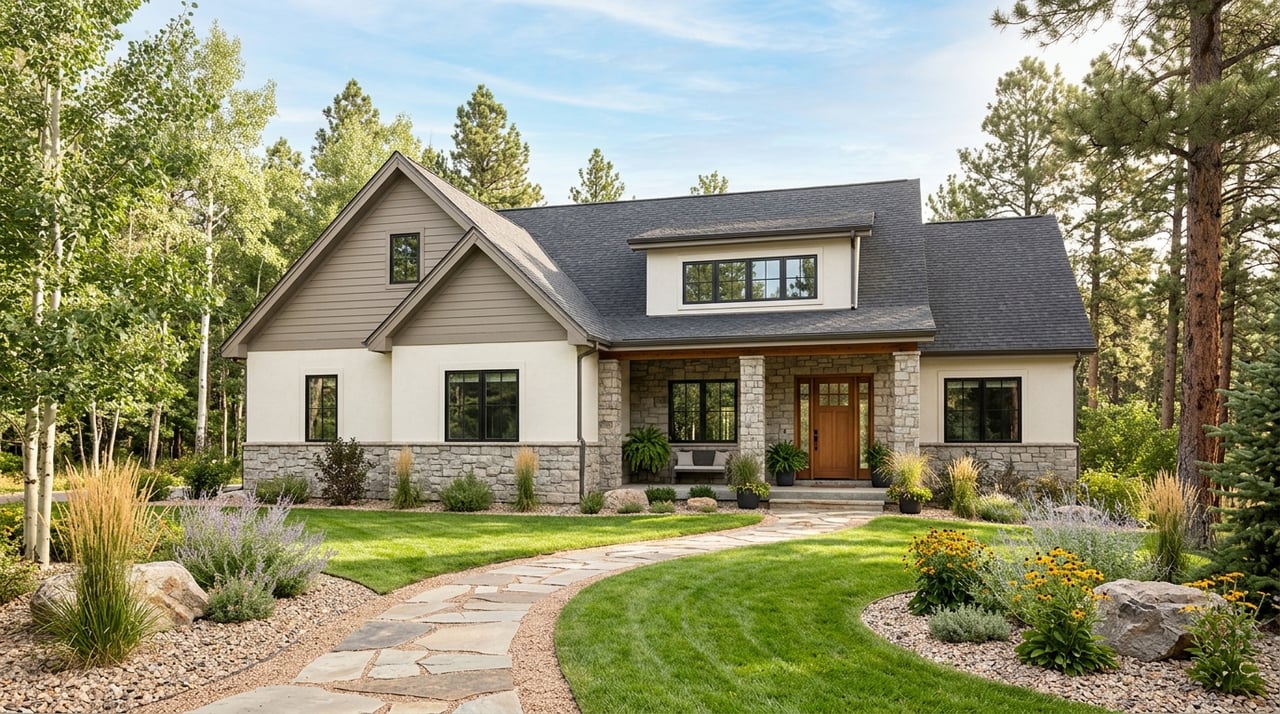
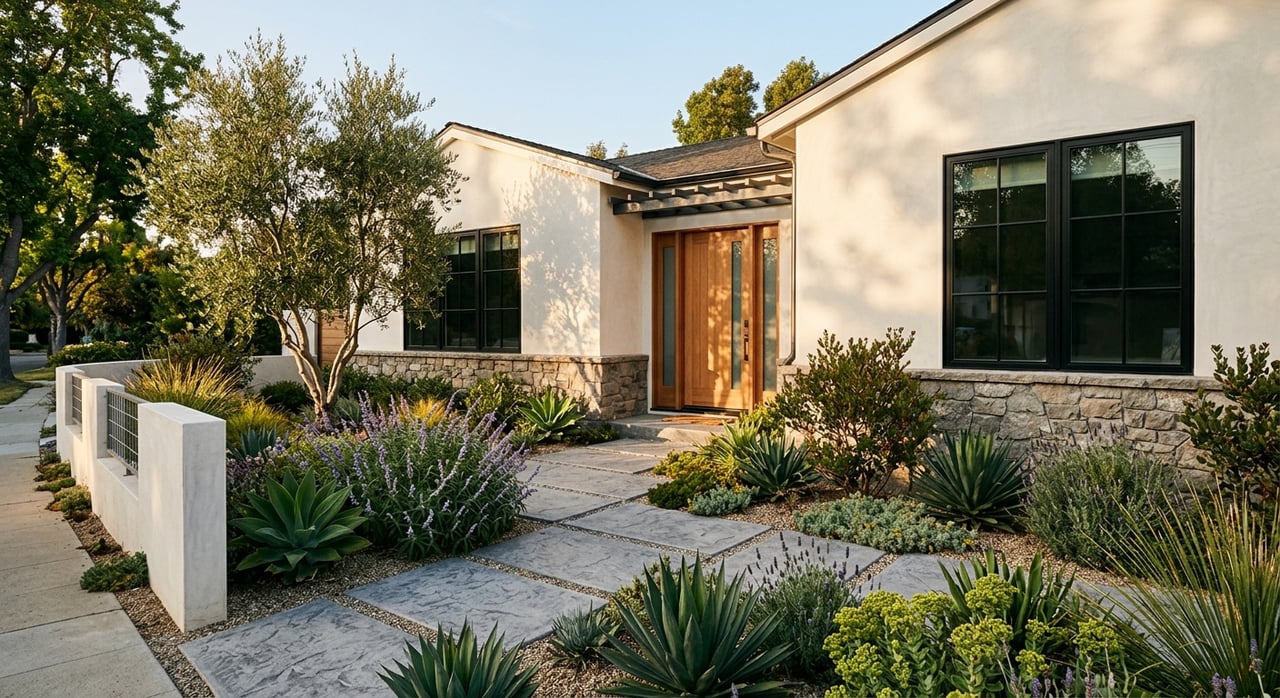
A common misconception is that Parker is one uniform type of suburb. In reality, the town’s planning documents describe neighborhood development as primarily master-planned, with a variety of residential densities and dwelling types.
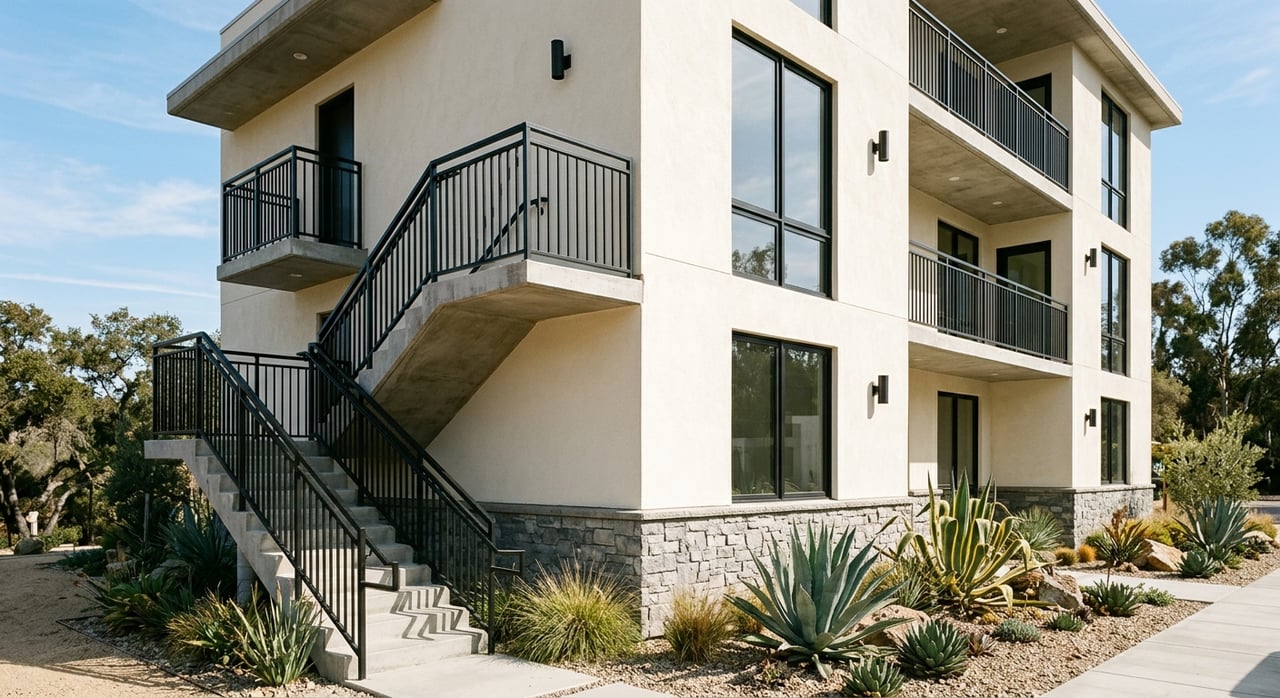
You can think of Parker as having several residential patterns rather than one formula. Buyers may come across historic-core homes, master-planned subdivisions, townhomes, and attached housing, with apartments more concentrated near downtown and along the E-470 corridor.
That variety is helpful if your needs are changing. You might be looking for a first home, more square footage, lower-maintenance living, or a property that better fits a relocation move. Parker’s housing mix gives you more than one way to make the town work for your goals.
Ownership trends suggest long-term roots
Parker also stands out as a town with a strong ownership profile. Census data shows an owner-occupied housing unit rate of 71.8%, along with 22,408 housing units and a median value of owner-occupied housing units of $646,300.
Those figures point to a market that leans toward ownership and long-term residency. For buyers, that can reinforce the feeling that Parker is a place where people plant roots, invest in their homes, and stay engaged with the community over time.
Parker supports different buyer goals
Because Parker offers both community identity and housing variety, it can fit a wide range of buying priorities. The key is understanding which features matter most to you.
Here are a few reasons buyers often look closely at Parker:
- You want access to the Denver metro area while living in a town with a more distinct local identity.
- You value trails, parks, and open space as part of daily life.
- You want neighborhood layouts shaped by planning, connectivity, and preserved land.
- You need options across different home styles and residential settings.
- You prefer a place where civic events and downtown activity create a visible sense of community.
If that sounds like your checklist, Parker deserves a closer look.
What to notice when touring Parker
As you explore Parker, it helps to look beyond square footage and finishes. Pay attention to how each area connects to the town’s larger character.
A few smart things to watch for include:
- How close you are to trails, parks, and open space
- Whether the neighborhood layout feels connected or more self-contained
- The mix of home types in the immediate area
- Access to Mainstreet and downtown amenities
- The overall feel of the streetscape and preserved land nearby
These details can tell you a lot about how a home will live over time, not just how it looks on day one.
Why Parker keeps resonating with buyers
At a high level, Parker appeals to buyers because it offers more than one benefit at once. You get proximity to Denver, but you also get a town with its own center, its own event rhythm, and a strong commitment to open space, trails, and preservation.
That combination is not always easy to find. For buyers seeking space and community, Parker stands out because it does not ask you to choose one or the other.
If you are comparing Parker with other Front Range options, the best next step is to look closely at how its neighborhoods, housing mix, and connected outdoor spaces line up with the life you want to build. When you are ready to talk through Parker or other Front Range communities, Vara; The Real Estate Collective is here to help.
FAQs
Why does Parker, Colorado feel more spacious than some Denver-area suburbs?
- Parker’s sense of space comes from master-planned neighborhood design, open-space preservation, and a trail network that runs through and alongside neighborhoods rather than only at the edges of town.
What kinds of homes can buyers expect in Parker, Colorado?
- Buyers can expect a mix of historic-core homes, master-planned subdivisions, townhomes, attached housing, and some higher-density options near downtown and along the E-470 corridor.
What makes downtown Parker important for homebuyers?
- Downtown Parker serves as a central part of the town’s economic, cultural, and social life, with preserved historic landmarks, active public spaces, and community events that strengthen local identity.
Does Parker, Colorado offer trails and open space for active buyers?
- Yes. Parker maintains more than 398 acres of town-owned and proposed parkland, 41 miles of trails, 14 parks, and 1,144 acres of open space.
Is Parker, Colorado a strong homeownership market?
- Parker has an owner-occupied housing unit rate of 71.8%, which suggests a market that leans toward homeownership and longer-term residency.